|
EQUIPMENT TO SPRAY
Using the right equipment is critical when it comes to being efficient with the application. Getting good, efficient, and consistent coverage will make the job profitable. A couple of guidelines should be clearly understood:
* The proper PPE must be used including gloves, goggles, and/or a mask
* The EPA guideline suggests the droplet size on foggers to be larger that .15 microns
* The LESS efficient the sprayer, the MORE product will be used (in some cases 5 times more than necessary)
* MORE is NOT better--the protectant need only lightly coat the surface
* Even though the product is water-based, areas should be tested for color-fastness and potential staining
* The only way to tell if a Protectant or Encapsulate is working is by Luminometer Screening
* An Orange Pigment can be added to show coverage of dry-in raw lumber applications.
|
IMAGE |
DESCRIPTION |
POROUS |
NONPOROUS |
|
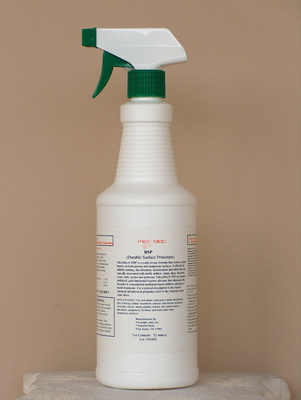 |
Trigger Pump Sprayer--the least efficient way to spray the product(s) but good for residential or commercial self-application. All transfers from larger containers should be made to labeled quart bottles where applicable. |
200-500 sqft |
500-750 sqft |
|
|
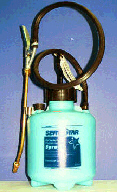
Pump-up Pesticide Sprayer--because these products are water-based, these sprayers are easy to use and easy to clean without deteriorating the gaskets or mechanisms inside of the pump. |
300-750 sqft |
750-1,000 sqft |
|
|
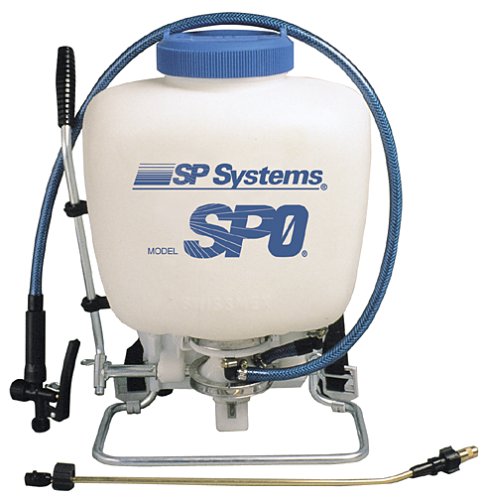
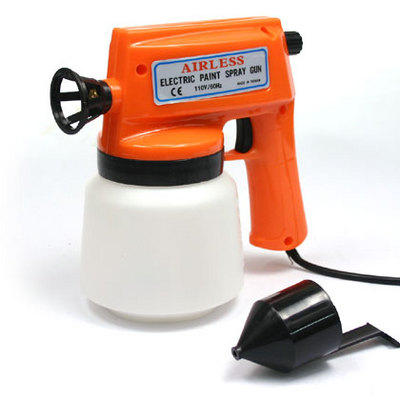
Back-Pack Sprayer or Airless--in either a pump-up style or battery operated, this sprayer gives a better coverage area and the applicator can carry more material than the regular pump-up sprayer. Airless spraying is extreme effective for good coverage. |
400-750 sqft |
1,000-1,500 sqft |
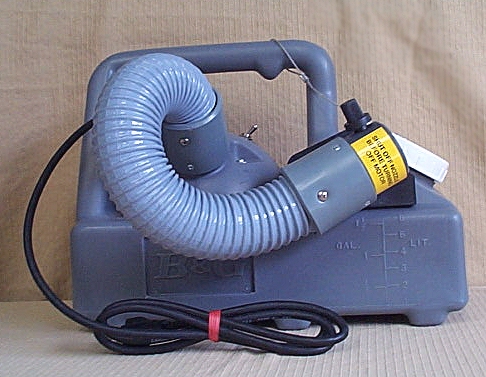 |
Fogger Sprayer--is the best, most efficient way to deliver product(s) into areas that are difficult to reach, like the HVAC duct system, between walls, and in the attic. The coverage area is greatest with this applicator. |
400-750 sqft |
1,500-2,500 sqft |
Information regarding this equipment is available in TheForum under "Equipment Resources" at www.NORMI.org
----------------------------------------------------------------------------------------------------------------
CALCULATING the cost of a job can be "tricky" but is based on years of experience in estimating. Two factors must be considered PRIMARY in the estimating of any job, 1) the square footage to be covered (which will determine the amount of material needed), and 2) the labor costs (often directly related to the type of equipment you intend to use). These calculations are recommended as a baseline for consideration:
CASE FILE Example Project:
1) Where no drywall exists, with 8 foot ceiling height, at dry-in stage--USE a factor of FIVE times square footage (footprint) to calculate coverage area needed. In other words, a 2000 square foot home would require 10,000 square feet of coverage needed. Using a fogger would give you approximately 2,000 square feet so FIVE gallons would be needed. (NOTE: Where drywall exists on this 8 foot ceiling house, use a factor of FOUR instead of FIVE)
2) Using a fogger or sprayer will allow one person to cover approximately 1,000 square feet (foot print measurement) of coverage per hour. We normally calculate ONE HOUR SETUP and ONE HOUR TEAR-DOWN. So, on this 2,000 square foot house, we would calculate FOUR hours of labor. At $150 per hour and calculating the retail price of material at $75 per gallon, the price of this job would be $900.00 or .45 per square foot--you could easily sell the job for $.75 sqft per application or $1500.00
COSTS vs. PROFITS
Costs of materials = $42 per gallon x 5 = $210.00
Cost of labor = YOUR labor is worth??? = $200.00
PROFIT = $1090.00
One job a day = $250,000 a year profit (50 weeks)
MODIFICATIONS/CONSIDERATIONS--This is a VERY fair price and an entrepeneur might consider doing it for as little as $.50 a square foot per application if he were applying both the cleaner and protectant/encapsulate. Take into considerations all the factors (accessibility, total coverage area might include HVAC system, furnished or unfurnished, time waiting for drying, etc.) and you'll see that there is a profitable business ahead of the entrepeneur who decides to become a NORMI Certified Biocide Applicator.

|
|