|
Experts: Office equipment swarming with germs
By David Williams
CNN
Monday, December 13, 2004 Posted: 9:56 AM EST
(CNN) -- With cold and flu season reaching its peak and flu vaccine in short supply, many Americans may want to hide at their desks to avoid those hacking and sneezing co-workers. But health experts say that could be the very place that makes them sick.
A study by the University of Arizona in 2002 found the typical worker's desk has hundreds of times more bacteria per square inch than an office toilet seat. If that's not disturbing enough, desks, phones and other private surfaces are also prime habitats for the viruses that cause colds and flu.
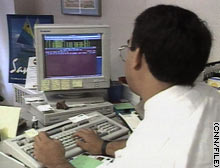
Desks, phones, keyboards and mice are key germ transfer points because people touch them so often.
This article is available in the download section of the www.NORMI.org website and RESOURCE LIBRARY
CONTACT TRANSMISSION
Sometimes a touch can bring more than you expect—from head lice to herpes to impetigo. Understanding how diseases can spread makes them easier to prevent.
What is it?
Contact transmission requires some form of touch to spread an infection. Direct contact transmission involves immediate contact between two people [or with an animal]. Indirect contact transmission involves fomites; an object that becomes contaminated by touch (the fomite) then spreads the infection by touch.
Conjunctivitis or “pink eye,” is commonly spread by touch. Other examples include Respiratory Syncytial Virus [RSV], shingles, and ebola.
Most germs have to enter the mouth, nose, or eye to cause an infection, but there are several that can spread directly from skin to skin. Skin-to-skin transmission occurs when bacteria, viruses, or parasites found on the skin of one child (or animal) are “caught” by another child through touch.

TOUCHPOINTS
"Touchpoints" is a way of evaluating how objects in an environment are handled, how
often they are touched, and by how many people.
EVERY ENVIRONMENT is used differently ... the CBA trains the user to understand the importance of reapplying the product based on how a specific environment is used.
A NORMI "Protectant Maintenance Schedule" is provided in the "Download" section
at www.NORMI.org ... annual compliance checkups that could result in long-term warranties require this form be completed each year prior to continuance of the warranty.
DSP APPLICATION FREQUENCY
NOTE:
1. Appliator needs gloves, goggles, mask and MSDS
2. Application by Customer, CBA, or Contractor
3. Treated surface must be clean, dry and free of wax, etc.
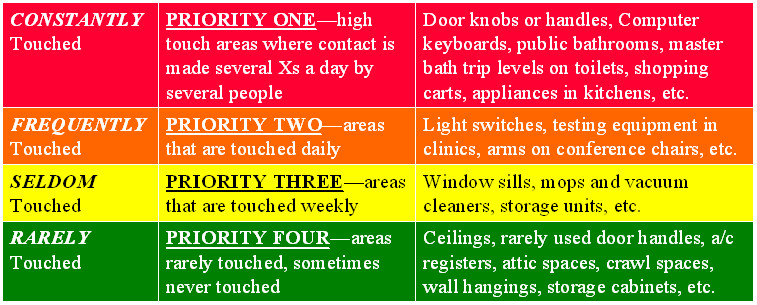
Durable Products REAPPLICATION "Rule of Thumb"
CONSTANTLY Touched areas every..........30 DAYS (monthly)
FREQUENTLY Touched areas every..........90 DAYS (quarterly)
SELDOM Touched areas every.................12 MONTHS (annually)
RARELY Touched areas every..................36 MONTHS (3 years)

|
|