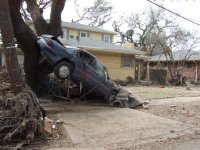
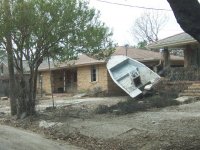
 “After experiencing the devastating effects of Hurricane Katrina, New Orleans was dealt a second blow from which it has yet to completely recover. Flooding as a result of numerous levee breaks caused an inconceivable amount of damage to properties in the metro area and vulnerable victims struggled to sort good information from widely publicized misinformation concerning how to clean-up the damage, protect their health, and rebuild in a way that would reduce the possibility of creating continued health problems as a result of mold infestation.
 NORMI™ was there in 2005 as a training provider for the State of Louisiana Licensing Board to help the public and the professional get the answers they needed about mold and its deleterious health effects. NORMI™ is dedicated to not allowing history to repeat itself and this website has been established to put together, in one place, the answers to many of the questions raised by similar disasters. We will continue to update this information as it becomes available and provide resources that will be helpful to the hard-working individuals who are still trying to rebuild their lives in the face of difficult odds or those who are currently faced with the prospects of cleaning up damage caused by flooding of any kind.”
D. Douglas Hoffman, Executive Director of NORMI™ 06/01/08
LEADING EXPERTS URGE MISSISSIPPI RIVER FLOOD-AFFECTED HOMEOWNERS NOT TO USE BLEACH TO CLEAN AND PREVENT MOLD DAMAGE
Proper Steps Include Using EPA-Registered Mold & Mildew Products To Avoid Widespread Post-Katrina-Type Loss
Abita Springs, July 2008 – The National Organization of Remediators and Mold Inspectors (NORMI™ ), a not-for-profit cooperative of mold experts and professionals, is urging owners of residential and commercial properties affected by Mississippi River flooding not to use household bleach to remove potentially harmful mold and mildew from water-damaged surfaces.
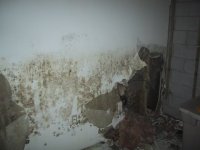 While bleach may temporarily remove the discoloration caused by mold, the organization said only EPA-registered mold and mildew products labeled as a cleaner, disinfectant, fungicide and/or mildewstat are truly effective at killing the micro-flora that can enable mold to grow, and make property potentially uninhabitable.
Rising mid-Summer temperatures and humidity, and flood-soaked materials of virtually all kinds are a perfect storm for likely rapid mold growth and its attendant effects on air quality and health. Widespread recommended use of bleach alone in post-Katrina New Orleans is believed to have had devastatingly negative effects on owners’ and renters’ abilities to reclaim their homes, because of bleach’s inability to prevent mold and mildew re-growth.
“The bottom line is this-as research and hard experience have proven, bleach does not kill the organism at its root and can promote mold growth, allowing re-growth. While bleach is effective as an everyday quick, cosmetic fix, bleach is not the thing to use in heavy-duty situations where preventing re-growth may be critical to short- and long-term habitability,” said Douglas Hoffman, Executive Director of NORMI™. “No one wants to see another post-Katrina situation along the Mississippi River, so we want to leave no doubt about these facts-bleach is simply not effective for controlling mold problems.”
 NORMI™ has devoted part of its website to information links Mississippi River-affected property owners can follow to find local mold remediation resources, and commercial- and consumer-grade products that are EPA-registered mold and mildew disinfectants effective at killing mold and preventing its re-growth. “Products like Moldex Disinfectant, Anabec, and BacShield, as examples, are strongly recommended for those who are wanting products that really work,” continued Hoffman. “We encourage consumers to become label-readers, study the ingredients, look at the testing data, and evaluate the company claims to be sure you are using safe, greener technologies.”
For information on flood clean-up, how and where to access federal disaster assistance and on mold cleaning or remediation information, please visit www.NORMI.org or call 877.251.2296